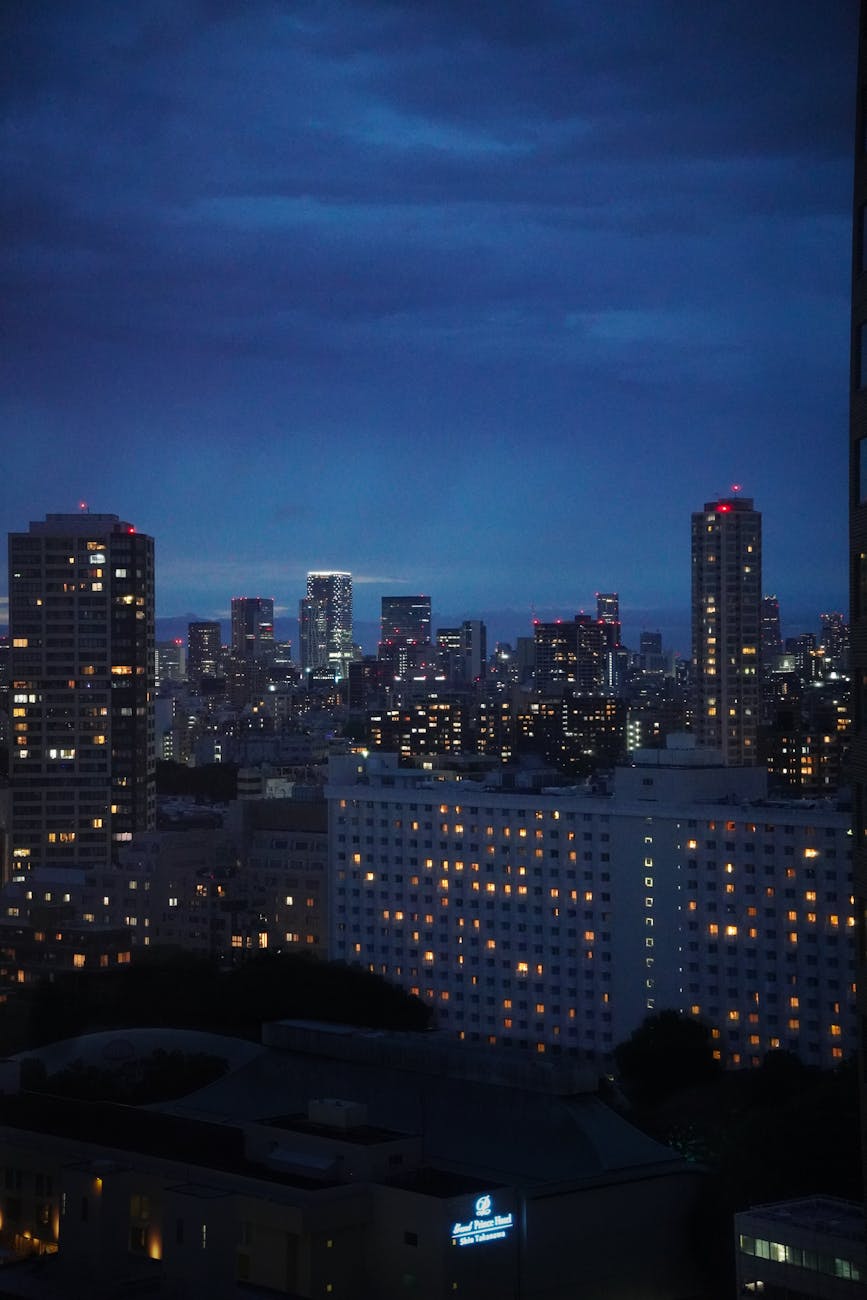
“God damn it, I hate this city.”
My first impression of Japan’s capital was, honestly, not very positive.
It was 2001 — I know, for some readers it may sound like prehistory — but I was there. Eighteen years old, a freshman in a university with a literature major, which meant I still hadn’t figured out what I wanted to do with my life. That was the main reason why I chose the school. I wanted to see Tokyo and how things were different there from the place where I grew up.
Like thousands of other freshmen coming from outside the metropolis, it was my first time living by myself. My mom and sister came along to help me move, unpack, and set up my dorm room. But the moment they left, the 12-square-meter room suddenly felt cold and empty.
It was about 6 p.m. I thought I should eat dinner. I reheated a bento that my mom and sister had gotten for me from a nearby supermarket. The bento looked similar to the ones sold at my local supermarket, yet it tasted foreign. I realized that it was my first time eating dinner on my own in my room, and that it would continue like this most nights for the next four years.
Dinner was finished in less than 10 minutes. Without a TV in my room, there was a strange silence in the space. I thought to myself that it almost felt like a prison cell. A prison for becoming a “better citizen” — study hard, get a good job, and pay taxes. It seemed I had been given a four-year sentence for the charge of believing I could be someone someday, or for dreaming of a life I thought I could create.
Of course, the biggest difference between my situation and incarceration was that I had the freedom to go outside. I peeked through the newly hung curtain. Many lights were flickering on top of tall buildings. I remembered they were for airplanes and helicopters flying near the city. I imagined planes descending over my head.
Is this the place where millions of people want to come? I was puzzled. I recalled what I had seen during the day. The city didn’t look very beautiful. It didn’t look very comfortable either. The streets were full of ugly signboards. Many buildings were old and small, crammed into tiny spaces like weeds. People on the train seemed dull and unhappy.
For the first time since I received the acceptance letter from the university, I questioned my decision to come here. What was I going after? Why did I spend so much money to start this life? What do “opportunities” actually mean to me? Fame, recognition, popularity, or acceptance, perhaps?
But maybe there were interesting things happening in this city, I thought. In the city where I grew up, life seemed very predictable. People went to work, raised kids, and spent weekends playing sports, instruments, or board games.
It was comfortable, but it also felt monotonous—like living inside a glass enclosure. You could dig your own tunnels, like ants in a soil tank, shaping your small world as you pleased. But eventually you would hit a thick glass barrier you couldn’t climb or break. I didn’t know what lay beyond it—maybe a desert, or a tropical forest, or a barren coastline. But whatever it was, I wanted to see that edge for myself, even if it meant discovering there was nowhere further to go.
I have to assimilate into this city, I thought. I have to get used to my new neighborhood. I have to figure out where to get groceries, household goods, furniture, medicine, clothes, books, CDs. I also have to make friends, find a part-time job, and decide what I want to do with my life.
What I want to do with my life? I realized I was about to fall into a rabbit hole of questions I shouldn’t ask myself after dark. I shook my head and tried to put the empty bento container in the trash, only to realize that the ward I had just moved to had its own rules for separating and collecting garbage, different from my hometown. Somehow, it felt like a denial and rejection of what I had believed in my life.
I wanted to reserve my judgment for a while — but I probably already knew that living in Tokyo was not part of it.

